The core question is material, not aesthetics
A lost-wax bronze can be cast solid or over a clay core. The choice is entirely about metal, because metal — the copper, tin, and lead that go into the alloy — is the expensive input. Labor for model-making and investment is also significant, but it is recoverable across a piece that takes time; metal is consumed irreversibly at the pour.
For small figures, say palm-height votive bronzes or detachable attributes carried by a larger image, solid casting is straightforward. The wax model is made without a core, invested, burned out, and filled. The volume of metal is small enough that the cost is absorbed and the structural argument for a core — which is principally about avoiding shrinkage stress in thick sections — barely arises. Small solid bronzes also survive rough handling better than cored work: there is nothing inside to crack or shift if a figure is dropped or moved frequently.
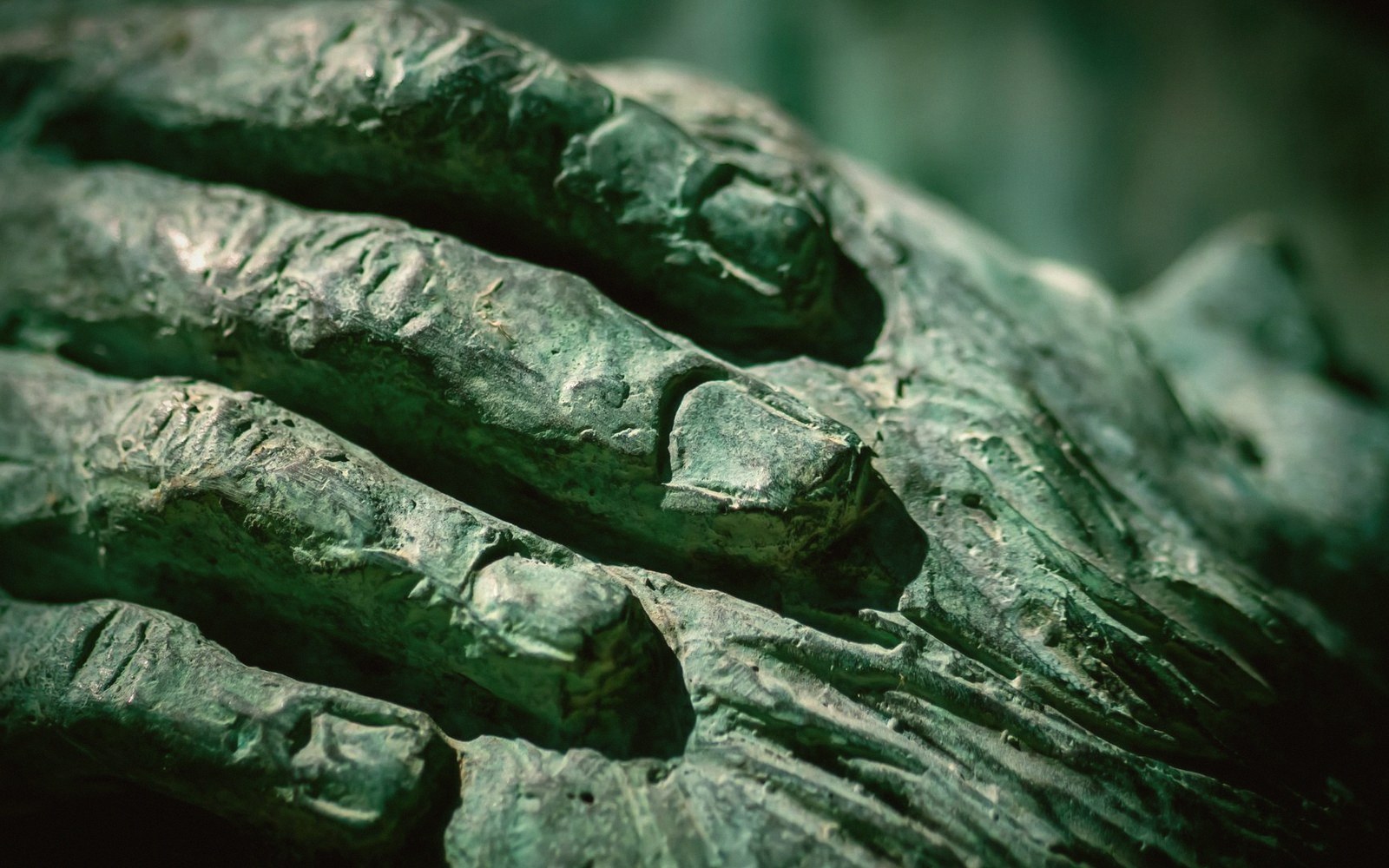
Core — clay interior left permanently inside a hollow-cast figure; metal fills only the shell; direct reduction in alloy consumed
Photo: The Daphne Lens / Pexels
The calculation changes the moment a figure exceeds a certain mass. A processional image of Nataraja at full ritual scale — the extended arms, the lifted leg, the surrounding arch of flame — has a surface area that, cast solid, would demand a very large and expensive pour. South Indian bronzes of the Chola period and after are nonetheless generally described as solid-cast, the cost in metal being accepted even at this scale. Where a founder does use a core, the casting leaves a wall of metal surrounding a fired-clay interior. The core is built up first in refractory clay, the wax applied over it to the finished model thickness, then the outer investment built around that. After burnout, metal occupies only the gap between core and investment. Core pins — small spacers, sometimes fired clay rods — hold the inner mass in position during the pour so the gap stays even.
Where the geometry forces a solid section — fingertips, the slender ankles of a standing figure, the lotus stem — the metal fills completely and must do so; a void there would mean a cold shut or a collapsed casting. The founding quality shows here. Thin solid extensions are the first place a pour fails if temperature or gating is wrong.
The core is not recovered after casting. It remains inside the figure permanently, which means its composition matters: a core that shrinks differently from the surrounding bronze as the piece cools will crack the metal from within over centuries. In a cored casting, choosing the core clay is as important as choosing the alloy.
Where a core is used, it works only if a continuous wall of sound metal can be kept around the void. Below that minimum wall thickness, the piece has to be solid.
The lost-wax sequence in order, and the two stages where the whole piece is lost if it goes wrong.