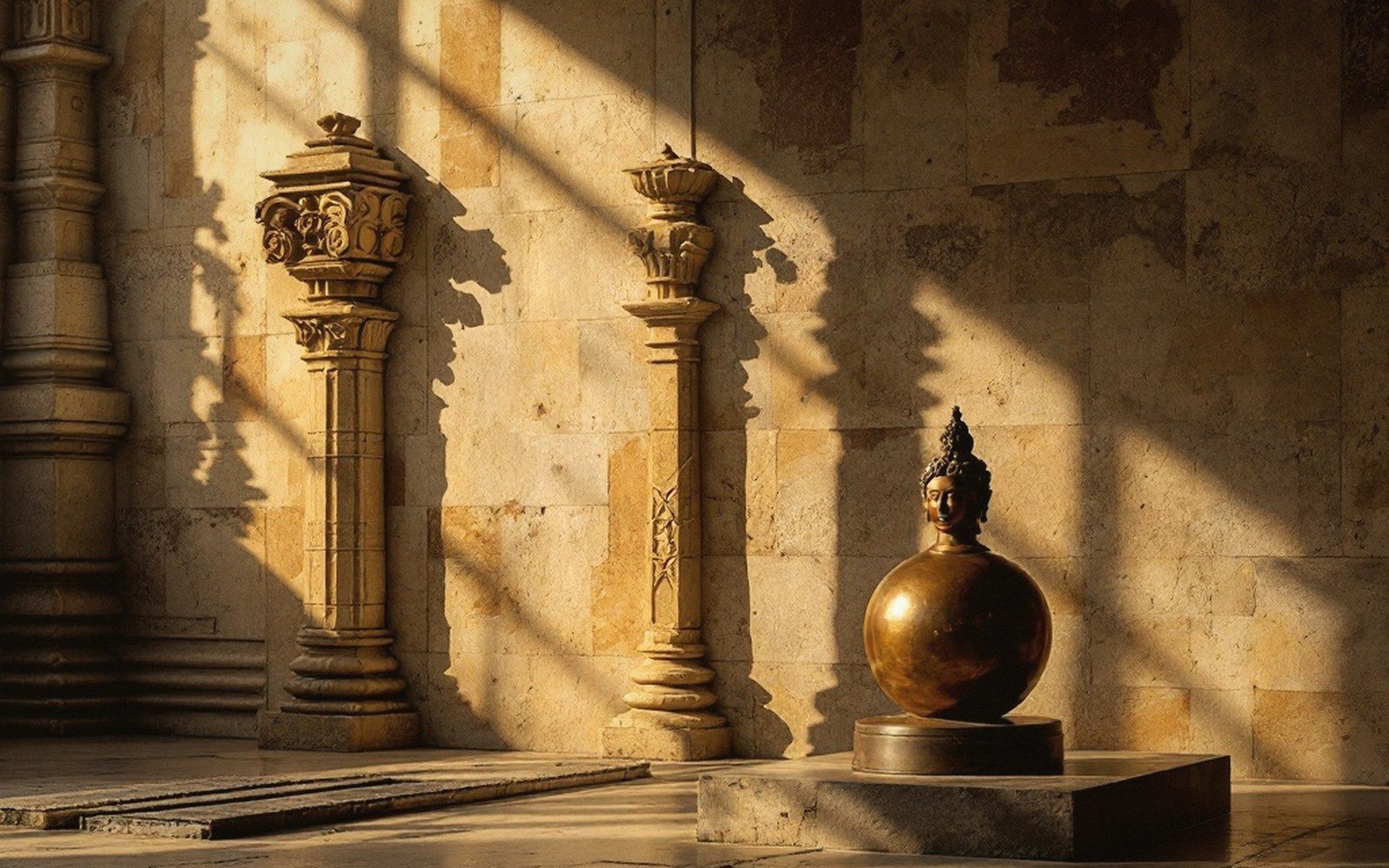
What goes in and why it matters
The bronze used in South Indian temple casting is not a single fixed recipe. Across centuries of production, the mix shifts — but it circles a center: roughly eighty to eighty-five percent copper, ten to twelve percent tin, and two to five percent lead. Each constituent does a specific job, and none is optional.
Copper is the structural base. Pure copper, however, is nearly useless for casting — it is viscous in the melt, prone to gas porosity, and shrinks unevenly as it cools. Tin changes all of this. At ten percent or above, it lowers the melting point of the alloy, thins the melt, and dramatically improves fluidity. A mold carved from a wax original has passages a few millimeters wide; only a low-viscosity metal will fill them before solidifying. Tin also hardens the final casting. A higher tin proportion — toward fifteen percent — yields a harder, more brittle surface that takes a sharp edge from the chisel during finishing. Too much tin, and the alloy becomes unworkable in cold work.
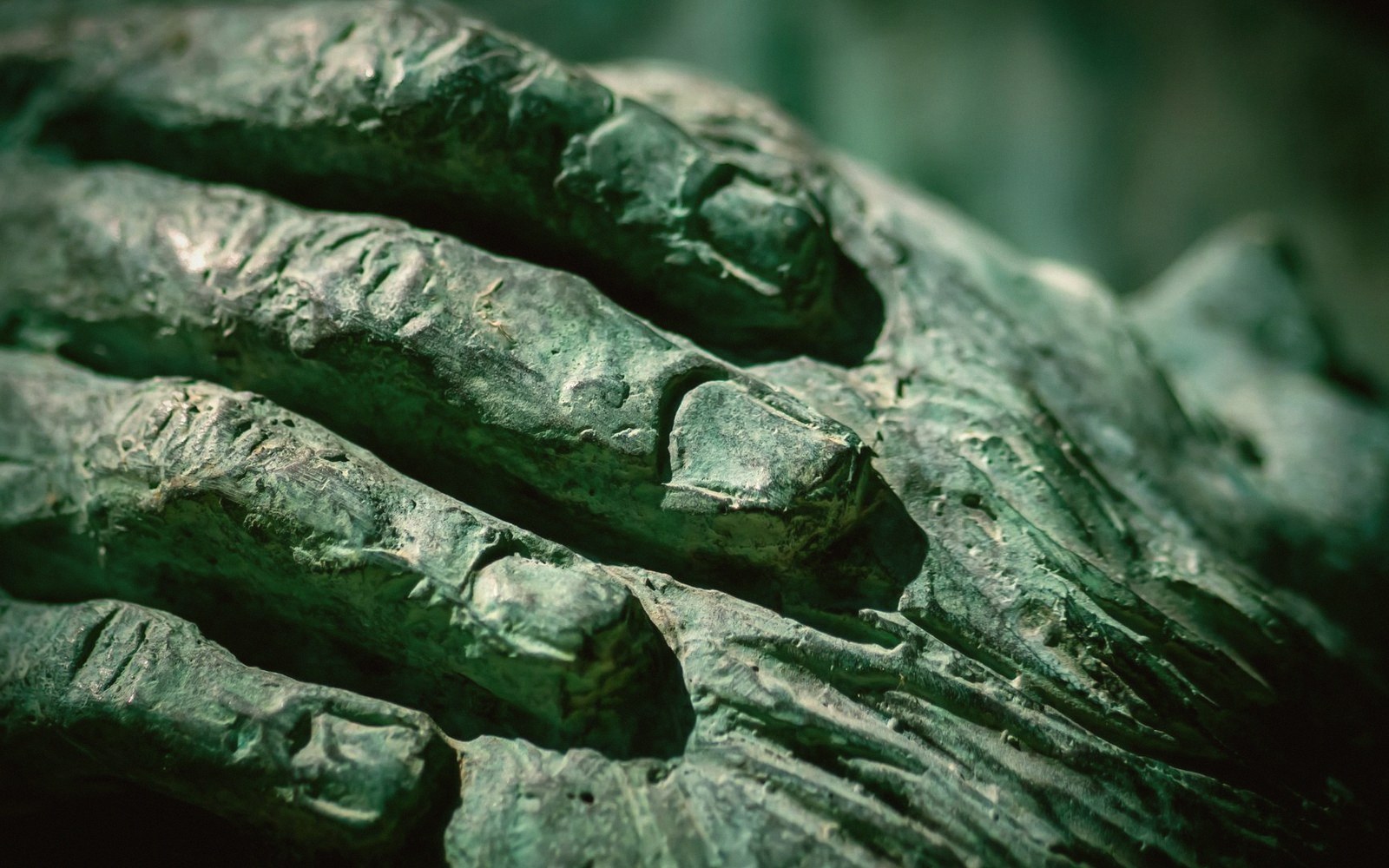
Tin — 10–12%; lowers melting point, improves fluidity, hardens the finished surface
Photo: The Daphne Lens / Pexels
Lead is the third variable. Small additions, two to five percent, push fluidity still further without raising the pour temperature. More critically, lead fills micro-voids as the casting cools — it is the last constituent to solidify and it migrates into shrinkage gaps. The tradeoff is surface quality: high lead content softens the metal and produces a slightly greasy surface that resists the fine chasing work applied after casting.
What has survived in temple collections — and what metallurgical analysis of Chola-period bronzes shows — tilts toward the lower end of the lead range and a moderate tin content. These are bronzes that were meant to be worked after the pour, not just cleaned. The alloy is chosen for what happens after the metal cools, not only for how it behaves in the mold.
| No. | Item | What it is |
|---|---|---|
| 01 | Lead | 2–5%; last to solidify, fills micro-voids; excess lead softens surface and resists cold-work finishing |
| 02 | Higher tin (toward 15%) | harder, more brittle; good for chiselled detail but limits subsequent working |
| 03 | Chola-period analysis | tends toward lower lead, moderate tin; alloy optimised for post-pour chasing |
Corrosion resistance is a benefit, not a design goal. The dense, correctly proportioned alloy develops a stable patina that seals the surface. Eight centuries of incense and oil have in many cases preserved, not degraded, what is underneath.
The lost-wax sequence in order, and the two stages where the whole piece is lost if it goes wrong.