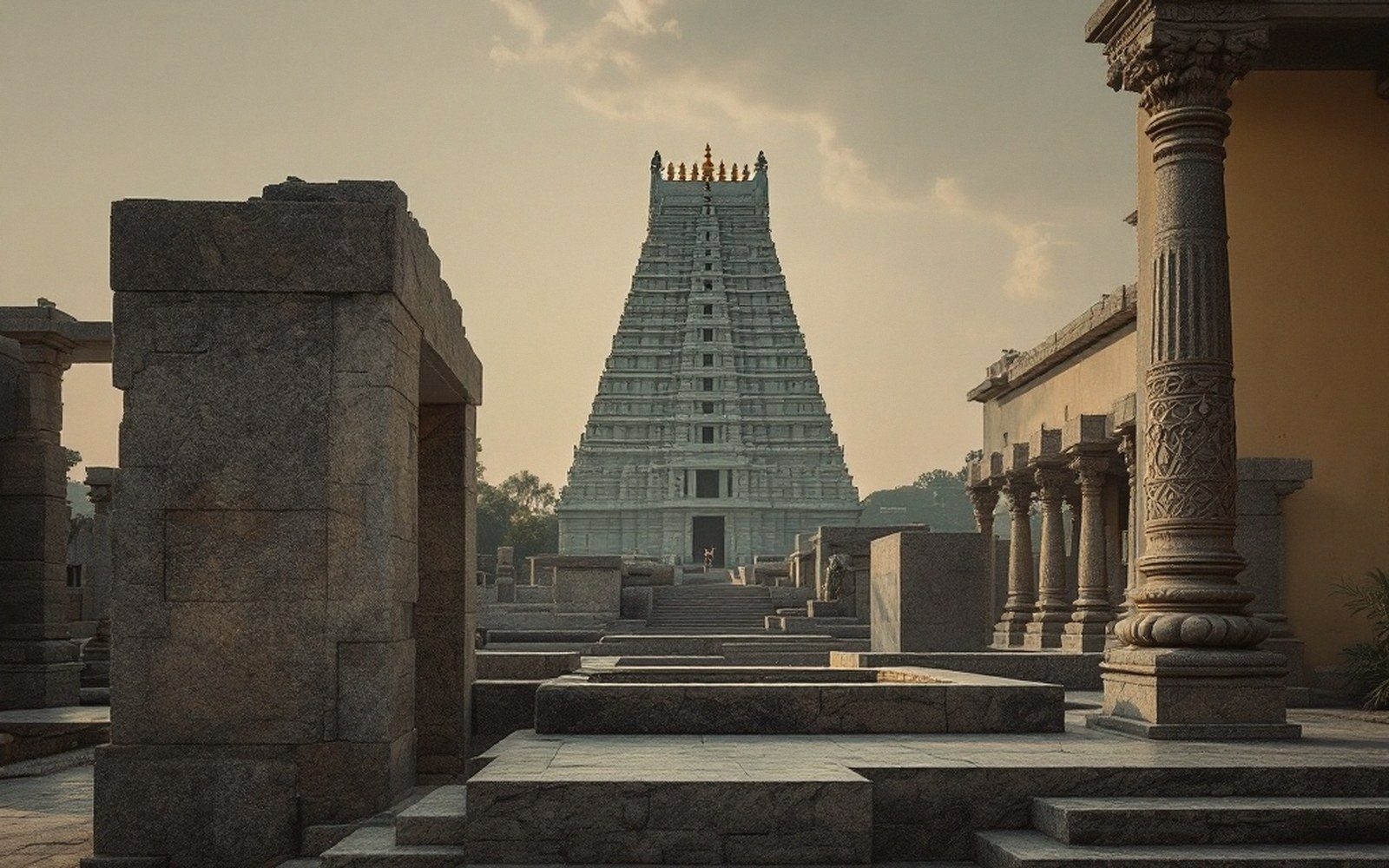
Cold Work After the Cast
When a lost-wax bronze comes out of the investment, it is rough. Sprues — the channels through which metal entered the mould — are sawn or snapped off, leaving stubs. Flash, metal that crept into cracks in the clay, is filed away. The surface shows the grain of the innermost investment layer: close and fine, but not finished. None of that is surprising; none of it is the interesting part.
The interesting part is chasing. A chaser works across the cooled metal with steel punches, rifflers and gravers, cutting and compressing the surface to bring up detail that the wax could only approximate. Soft wax takes a thumb print. Bronze does not. Lines that were rounded in the model become crisp in the metal — the parted lips of a deity figure, the layered petals of a lotus pedestal, the tight corrugation of a conch shell — because a craftsman drove a graver along each one after casting. The lost-wax process, as described for the wax model and pour, produces a shape. Chasing produces the surface.
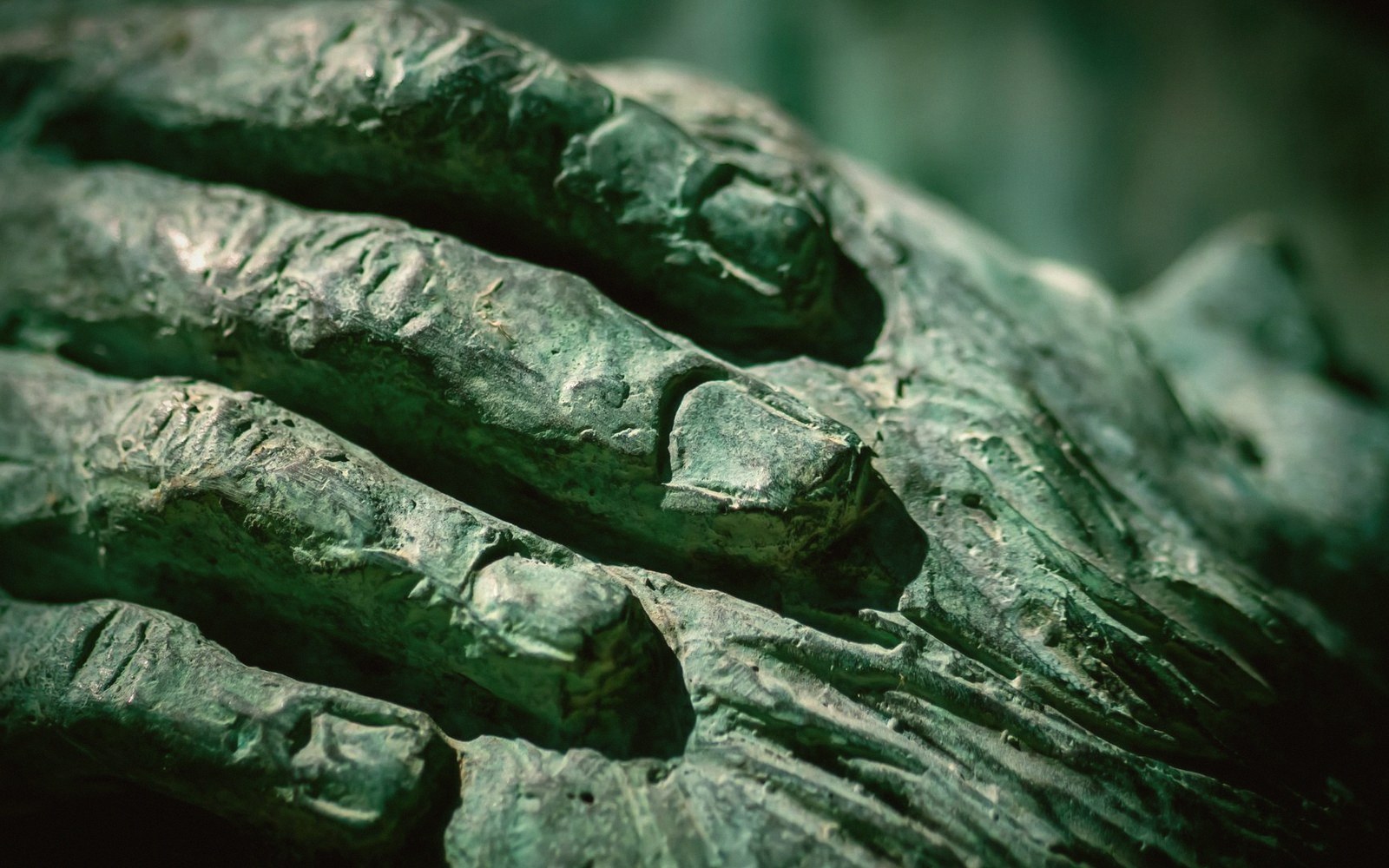
Chasing — steel punches and gravers cutting detail cold into the cast surface
Photo: The Daphne Lens / Pexels
The division of labour matters here. The person who modelled the wax was not always the person who chased the casting. Workshop evidence from Tamil Nadu suggests a hierarchy: the wax model set proportion and major form; cold work resolved everything at the scale of the eye. In large figures — processional bronzes for temple use, sometimes exceeding a metre in height — the chasing could represent more hours of skilled work than the original modelling. Jewellery details, the individual strands of a figure's hair, the tooled texture of a garment border: these were cut into solid metal, not impressed into wax.
Alloy matters to the chaser. The copper-tin-lead mixture used in South Indian casting — covered separately in the guide to the alloy — is harder than pure copper but yields cleanly under a sharp tool. Lead, even in small amounts, improves machinability. A bronze too high in tin becomes brittle and chips rather than shears; a chaser reading an unfamiliar piece will probe a discreet corner before committing to fine work.
| No. | Item | What it is |
|---|---|---|
| 01 | Sharp line detail | crisp only after cold work with a graver |
| 02 | Fine texture (hair, garment borders, shell corrugation) | cut into metal, not pressed into wax |
| 03 | Jewellery and ornamental detail on large processional figures | often more labour than the modelling |
After chasing, the surface was polished. Abrasives — stone, then progressively finer material — removed file marks and brought the metal to a reflective finish. That finish oxidises over time to the dark brown-black patina associated with old South Indian bronzes. The patina is not original: the bronze as it left the workshop was bright. What survives the centuries is the cold-worked surface beneath it, and that surface is where the craft actually lived.
The lost-wax sequence in order, and the two stages where the whole piece is lost if it goes wrong.